

Blog / New Rochelle Toyota Service

Toyota Tire Replacement Near Yonkers, NY

Toyota Tire Replacement Near Yonkers, NY

Toyota Tire Replacement Near Yonkers, NY: When to Replace Your Tires and What to Expect


Your tires are the only part of your vehicle that actually touches the road, which makes keeping them in good condition one of the most important things you can do for your safety. If you're driving around Yonkers or the surrounding area and wondering whether it's time for new tires, this guide will help you figure it out - and know what to expect when you bring your Toyota in for service.

How to Tell When Your Toyota Needs New Tires


The clearest sign that you need Toyota tire replacement near Yonkers, NY is tread depth that's worn down to 2/32 of an inch or less. An easy way to check this at home is the penny test - insert a penny into the tread with Lincoln's head facing down. If you can see the top of his head, your tires are too worn and need to be replaced right away.

Beyond tread depth, look for visible cracking or bulging along the sidewalls, uneven wear patterns across the tire surface, and persistent vibrations while driving. Any of these issues can point to a tire that's no longer safe for road use. Age also matters - even tires that look fine on the outside should be inspected closely once they're six years old, regardless of mileage.

What the Tire Replacement Process Looks Like


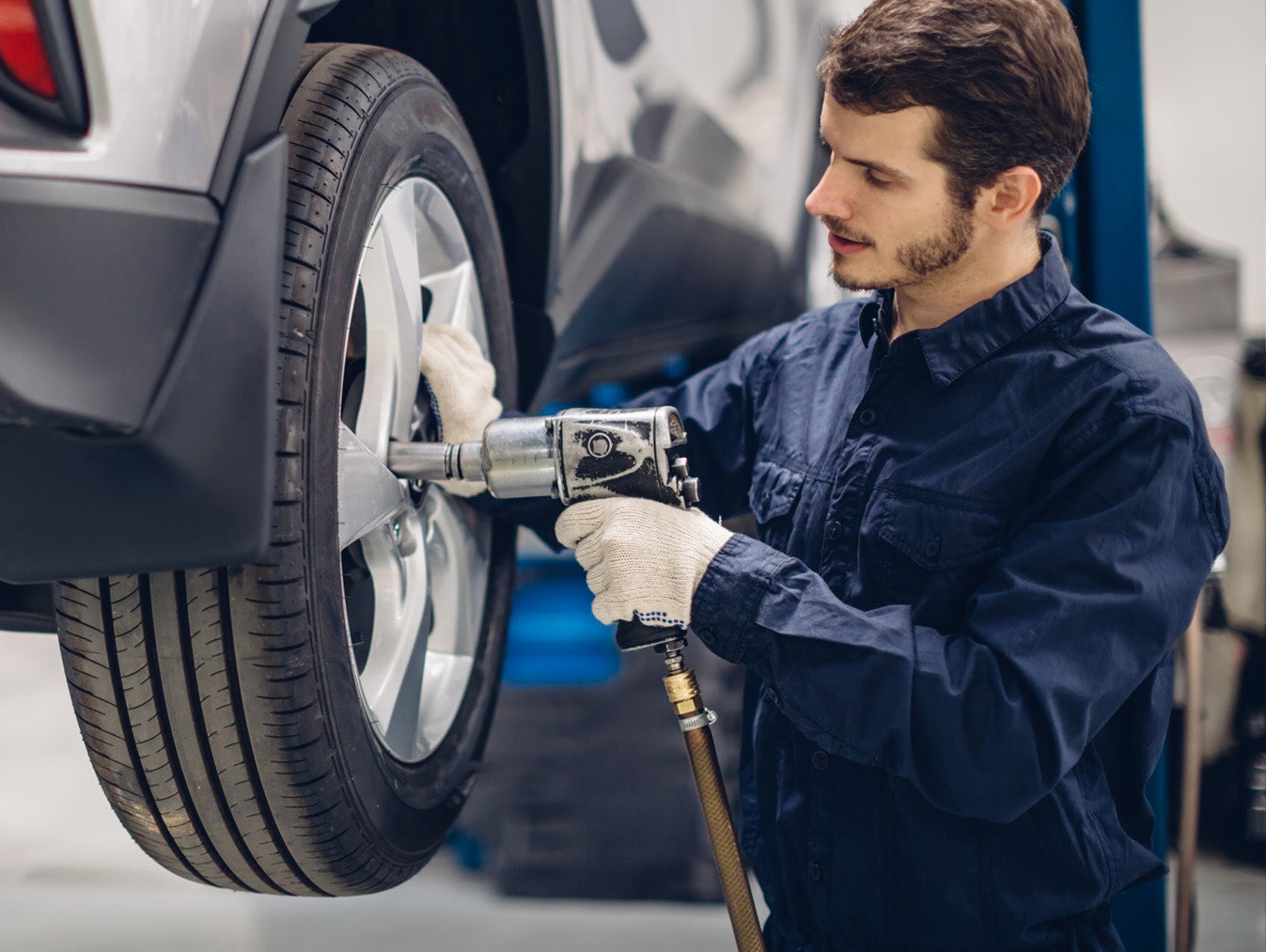
When you bring your Toyota in for Toyota tire service in Yonkers, NY, the process is pretty straightforward. A service technician will inspect your current tires, confirm the correct size and type for your specific vehicle, and recommend options that fit your driving needs and budget.

Once the right tires are selected, they're mounted and balanced. Proper balancing is essential - it prevents vibration and helps the tires wear evenly over time. In most cases, your service team will also check and adjust your tire pressure and recommend a wheel alignment if needed. Alignment issues can cause new tires to wear unevenly, so it's worth addressing at the same time.

Why Tire Maintenance Matters Between Replacements


Getting new tires is just one part of keeping your vehicle safe. Regular tire rotations - typically every 5,000 to 7,500 miles - help ensure all four tires wear at the same rate, extending their overall life. Checking your tire pressure monthly is also a good habit, especially during temperature swings that are common in the New Rochelle, NY area.

Proper tire care also has a direct impact on how your Toyota handles in rain, snow, and everyday stop-and-go traffic. Worn or underinflated tires increase stopping distances and reduce your vehicle's responsiveness - two things you don't want to compromise.

What to Expect From Toyota Tire Service


When you bring your Toyota in for Toyota tire service in Yonkers, NY, you can expect trained technicians who know your vehicle inside and out. Toyota service centers use parts and equipment designed specifically for Toyota models, which means your tires will be installed and calibrated to the manufacturer's specifications.

The visit is typically efficient, and many service centers offer convenient scheduling options so you can plan around your day. Whether you're coming in for a routine inspection or a full Toyota tire replacement near Yonkers, NY, the goal is always to get you back on the road safely and confidently.

Visit Us for Toyota Tire Replacement Near Yonkers, NY


Don't wait until a worn tire becomes a bigger problem on the road. If it's been a while since your last tire inspection, or if you've noticed any of the warning signs mentioned above, now is a good time to schedule a service appointment. The team at New Rochelle Toyota is ready to help Yonkers drivers to book your service visit today.
Posted in:

Related Posts

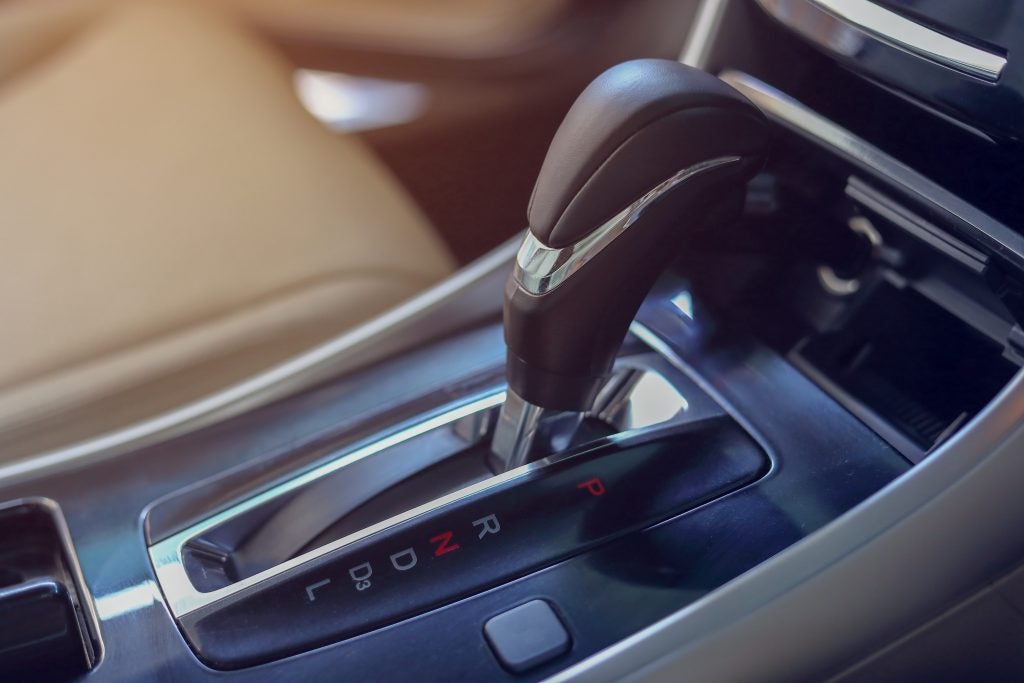
Automatic,Gear,Parked,Inside,Modern,Vehicle,Car,Automobile

5 Signs Your Toyota Needs a Transmission Service

Modern Toyota transmissions contain hundreds of intricate moving parts. Despite their complexity, they're remarkably reliable and will perform smoothly for the lifespan of the car as long as you keep the fluid fresh. Nonetheless, it's possible for problems to arise in the best gearboxes, and it pays to know the common signs of transmission trouble; here are a few to watch out for. If you notice these issues, visit your local Toyota dealership for transmission service without delay. Grinding Sounds If gears are rounding out or the transmission fluid is low, you might hear the gears grinding when you shift. This may be accompanied by vibrations as the gears struggle to shift with insufficient lubrication. more Whining Noises When a transmission filter becomes clogged, the fluid is low, the torque converter is malfunctioning, or other gearbox parts are wearing out, drivers sometimes hear a whining sound from below. This whining may become louder when you accelerate or maintain higher speeds. Delayed Shifting Fluid issues, worn seals or bands, a bad solenoid, or a faulty planetary gear system could cause delayed engagement when shifting. If your gears seem to hesitate a few seconds before locking into place, have a trusted technician take a look before the problem worsens. Slipping Gears A more serious problem is when gears begin to shift on their own. This might begin with your car slipping into neutral when you're driving, which is dangerous. Delayed and slipping gears are often accompanied by loud engine revving. Refusal To Shift If allowed to develop, some of the aforementioned faults may eventually cause your gears to refuse to shift at all. A faulty powertrain control module or synchronizer might also be the culprit for this. You'll need to have your unresponsive transmission repaired before you can drive safely again. Visit Your Toyota Dealership for Routine Transmission Maintenance The key to preventing transmission problems is regular servicing. Automatic Toyota transmissions usually only need to be flushed every 60,000 to 100,000 miles, although you should check your owner's manual for your model. However, it's advisable to inspect the transmission fluid once a month along with your car's other essential fluids. Visit New Rochelle Toyota in New Rochelle, NY, to quickly resolve any gearbox issues and have your car shifting like new once more. We offer an extensive selection of vehicles and automotive services, all with courteous, personalized customer care.

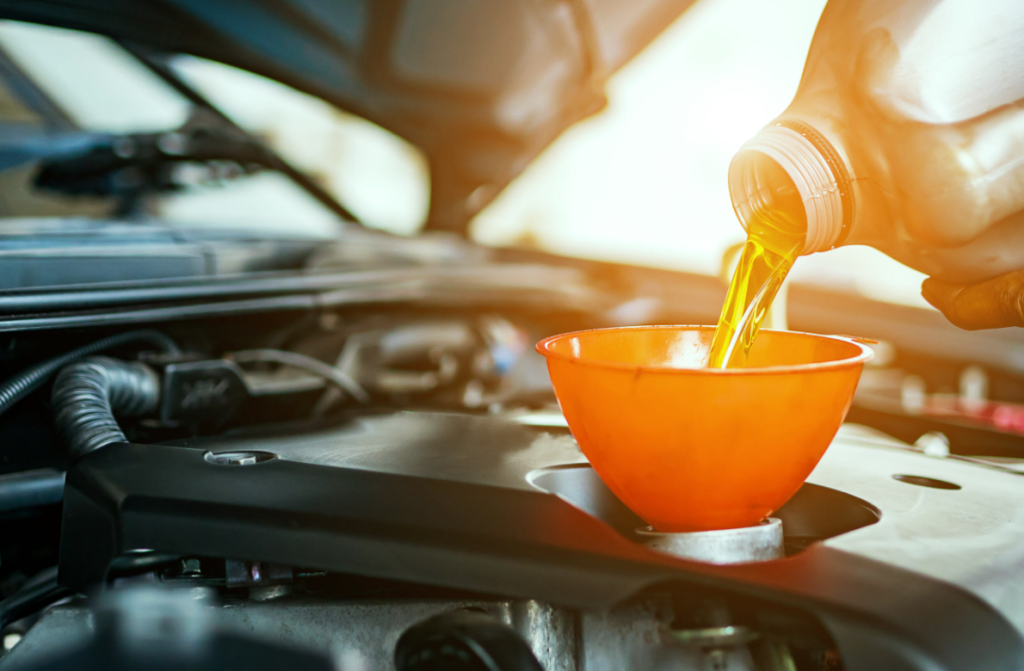
An auto repair technician changing oil.

The Importance of Regular Oil Changes for Your 2024 Toyota Vehicle

Oil is the lifeblood of your engine. It's continually pumped through your engine by the oil pump, lubricating components as it moves. Lubrication reduces wear and tear on critical components and allows them to work efficiently. Over time, oil becomes thick and sluggish, and this can lead to potential engine problems. As your Toyota dealer, we want to tell you some of the reasons why a regular oil change is good for your engine. Reduces Damage Oil coats hundreds of components with a friction-resistant covering as oil moves through the engine. Many engine components rely on friction to work correctly, and if they're oiled, they will slide smoothly against each other as they work. This speeds up their movement and protects them from damage. The faster engine components work, the more efficiently your engine will perform. Oil also has a cooling effect on the components it lubricates. An engine is a very hot environment due to combustion and the constant movement of hundreds of different components. Combustion can easily raise the temperature of certain components to over 600 F, and constant high temperatures will take their toll on even the toughest engine components if they're not cooled. more Increases Fuel Efficiency Old oil accumulates dirt and debris as it moves through the engine and turns sludge-like. Sludgy oil is slow, provides less friction resistance to components that require it, and has a reduced cooling effect. These unwelcome side effects of older oil affect your engine performance, as poorly lubricated parts move slower and generate increased resistance as they move. Your engine has to work harder to overcome this resistance, which means using more fuel. In addition, as the engine works harder, parts suffer increased wear and tear. This reduces their lifespan and reduces engine efficiency even further. Lower Emissions Combustion produces a large variety of dangerous and toxic chemicals, including carbon monoxide and hydrocarbons. Hydrocarbons are the building blocks of petroleum, and they remain behind after fuel has been burnt. Older, sludgy oil doesn't prevent the buildup of hydrocarbons in the engine, and increasing amounts of this chemical are dumped into the catalytic converter. The catalytic converter, which converts dangerous chemicals into harmless ones, can't remove all the accumulated hydrocarbons. The unconverted hydrocarbons exit the tailpipe, and their presence can cause your vehicle to fail an emissions test. Visit us for a change of oil today at New Rochelle Toyota in New Rochelle, NY.

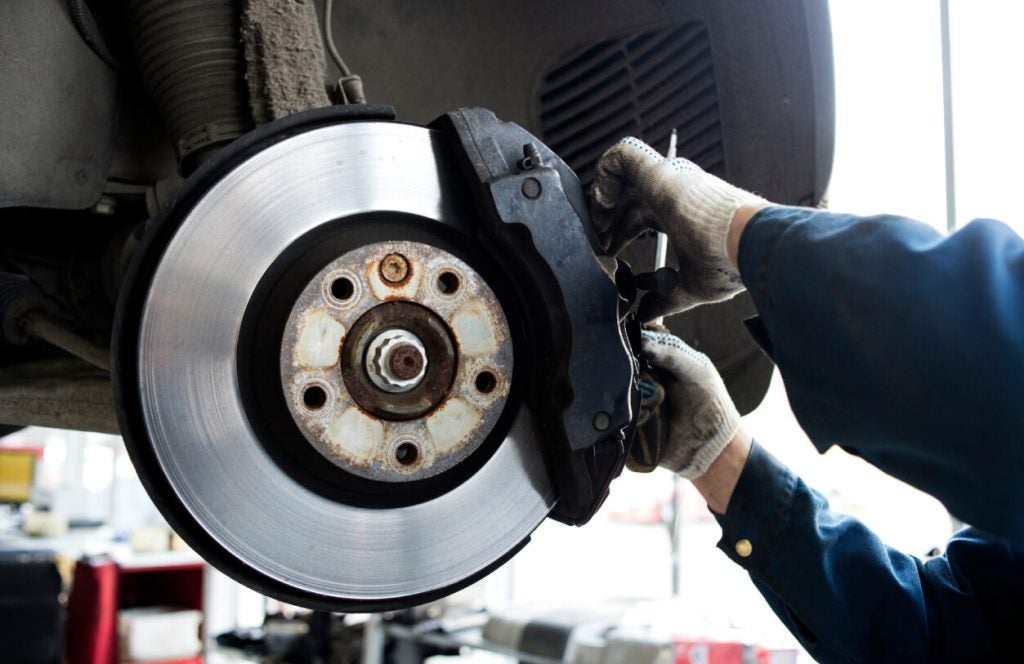
A service technician working on vehicle brakes.

5 Signs Your Toyota Needs Brake Service

Whether you purchased your car from a Toyota dealer or not, understanding when you need brake service is crucial. Not just for the longevity of your car, but for your safety and other drivers on the road. What do you look for, though? What kind of noise is bad noise? Will I feel anything when my brakes are wearing down? Read on to understand what to look for with your brakes. Increased Stopping Distance The more you use your Toyota, the more you understand the brake sensitivity designed for your safety. The brakes on your Toyota should respond without excessive pressure, and the car should not continue moving once you push the brake pedal all the way down. If you notice your Toyota does not stop completely after pressing the brake pedal all the way down, your brakes, at the very least, need to be inspected. more Excessive Brake Noise Screeching, squealing, grinding, and any other harsh metallic sounds are not something you should hear regularly from any part of your Toyota, let alone the brakes. Remember back when you first purchased your Toyota from your Toyota dealer and the only time you heard any sound from the brakes was when they were wet? That is expected. Hearing anything beyond that is a concern and needs to be addressed immediately. Abnormal Brake Pedal Feel Soft, pillowy, with no stiffness until you feel the floorboard under the brake pedal? That is a flag. This is because, with power brakes, there should always be a firm resistance when you apply pressure. The more pressure you apply, the more resistance you should feel. If it's really easy to press the brake pedal to the floor, or if the brake resistance is barely there, it is time for a service appointment. Pulling or Vibrating During Braking Only your speed should be affected when you apply the brakes in your Toyota. Not your steering. If you notice that your steering wheel jerks or pulls to one side when you apply the brakes, it could be a sign that the brake on one side isn't functioning properly. Sudden steering changes can balloon your risk of an accident as well. Excessive Brake Dust on Wheels Some brake dust is normal because of friction. It's that dark residue that you see on your wheels. The key here is that it should be minimal. Anything more than that and an inspection is needed. If you've experienced any of these symptoms with your Toyota, contact New Rochelle Toyota in New Rochelle, NY today! ​