


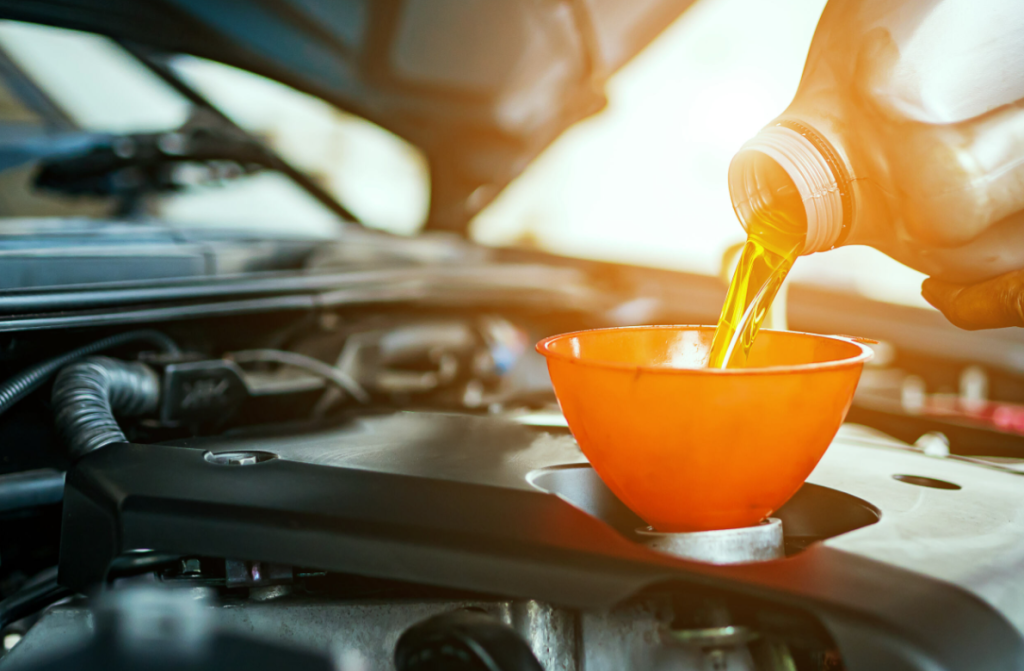
Oil is the lifeblood of your engine. It’s continually pumped through your engine by the oil pump, lubricating components as it moves. Lubrication reduces wear and tear on critical components and allows them to work efficiently. Over time, oil becomes thick and sluggish, and this can lead to potential engine problems. As your Toyota dealer, we want to tell you some of the reasons why a regular oil change is good for your engine.
Reduces Damage
Oil coats hundreds of components with a friction-resistant covering as oil moves through the engine. Many engine components rely on friction to work correctly, and if they’re oiled, they will slide smoothly against each other as they work. This speeds up their movement and protects them from damage. The faster engine components work, the more efficiently your engine will perform.
Oil also has a cooling effect on the components it lubricates. An engine is a very hot environment due to combustion and the constant movement of hundreds of different components. Combustion can easily raise the temperature of certain components to over 600 F, and constant high temperatures will take their toll on even the toughest engine components if they’re not cooled.
Increases Fuel Efficiency
Old oil accumulates dirt and debris as it moves through the engine and turns sludge-like. Sludgy oil is slow, provides less friction resistance to components that require it, and has a reduced cooling effect. These unwelcome side effects of older oil affect your engine performance, as poorly lubricated parts move slower and generate increased resistance as they move.
Your engine has to work harder to overcome this resistance, which means using more fuel. In addition, as the engine works harder, parts suffer increased wear and tear. This reduces their lifespan and reduces engine efficiency even further.
Lower Emissions
Combustion produces a large variety of dangerous and toxic chemicals, including carbon monoxide and hydrocarbons. Hydrocarbons are the building blocks of petroleum, and they remain behind after fuel has been burnt. Older, sludgy oil doesn’t prevent the buildup of hydrocarbons in the engine, and increasing amounts of this chemical are dumped into the catalytic converter.
The catalytic converter, which converts dangerous chemicals into harmless ones, can’t remove all the accumulated hydrocarbons. The unconverted hydrocarbons exit the tailpipe, and their presence can cause your vehicle to fail an emissions test.
Visit us for a change of oil today at New Rochelle Toyota in New Rochelle, NY.
Connect with us


- July 2026
- June 2026
- May 2026
- April 2026
- March 2026
- February 2026
- January 2026
- December 2025
- November 2025
- October 2025
- September 2025
- August 2025
- July 2025
- June 2025
- May 2025
- April 2025
- March 2025
- February 2025
- January 2025
- December 2024
- November 2024
- October 2024
- September 2024
- August 2024
- July 2024
- June 2024
- May 2024
- April 2024
- March 2024
- February 2024
- January 2024
- December 2023
- November 2023
- October 2023
- September 2023
- August 2023
- July 2023
- June 2023
- May 2023
- April 2023
- March 2023
- February 2023
Archives
- 2024 Toyota Models
- 2025 Toyota bZ4X
- 2025 toyota camry
- 2025 Toyota Models
- 2025 Toyota RAV4
- 2026 Toyota Highlander Hybrid
- 2026 Toyota Highlander vs Grand Highlander
- 2026 Toyota RAV4 Plug-In Hybrid
- 2026 Toyota Sienna
- 2026 Toyota Tacoma
- 4Runner
- Best Price on Toyota Cars Trucks and SUVs
- Car Maintenance
- Dashboard warning lights
- Electric Vehicles
- Family SUV
- Fuel Efficient Toyota
- Good Eats
- Grand Highlander
- Highlander
- Hybrid Toyota
- Land Cruiser
- Manhattan Toyota Dealer
- new rochelle toyota
- New Rochelle Toyota Dealer
- New Rochelle Toyota Service
- New Rochelle Used Cars
- No appointment service
- Oil Change
- Oil Change in Westchester County
- Oil Change Near the Bronx
- Plug-In Hybrid
- Power and Efficiency
- Sequoia
- Simple Auto Finance
- Spring
- SUV
- The Bronx Toyota Dealer
- Things To Do
- Toyota Corolla
- Toyota Dealer Westchester County, NY
- Toyota Financing
- Toyota GR Supra
- Toyota Leases New Rochelle
- Toyota Leases the Bronx
- Toyota Leases Westchester County
- Toyota Leases White Plains
- Toyota Model Comparison
- Toyota Model Specs
- Toyota Prius
- Toyota Safety Sense
- Toyota Sienna
- Toyota SUV
- Toyota Trucks
- Toyota Tundra
- Toyotas for City Driving
- Transmission
- Trims and Features
- Uncategorized